Inside the studio
Your own Deep Dive Studio.
Virtually realised. No studio hire, no crew, no booking.
In Deep Dive Studio, AI presenters walk your prospects through your thinking, chart by chart, as if you were in the room. With every prospect at once, 24 hours a day, on all channels.
Book a 30-min callInside the studio
Virtually realised. No studio hire, no crew, no booking.
Pick a topic, or keep scrolling
Left screen
Where it started

2020. AI video was still in its infancy. At KPMG Ignition Tokyo, Masa Toyota led the team that built ACE with the two technologies that were ready: text-to-speech and animated avatars. A subject matter expert typed a script and got a narrated video with a presenter. Even that first step moved viewers from seeing to understanding far faster than text alone.
Presented with ACE at KPMG Japan
AI governance, internal control, cyber security regulation, sustainability, supply chains, human capital and new-business strategy.
21 videos, nearly 100,000 views, and still in use today.
Watch one on KPMG Japan's channel2026. Deep Dive Studio takes full advantage of how far AI video has come. The presenter is lifelike and immersive, and walks your clients through your charts as if you were in the room: three LED screens, and a camera that moves with her, close and one to one, the way TV news covers a big story. A data showroom, online.
Why it works
“Eventually perception is going to meet cognition. And once we are starting to meet cognition, we’re even going to go up higher to think about intention and goals.”
She was describing how computer vision would evolve. Your clients follow the same path, from seeing a chart to acting on it.
A case study, an article, a report: each one holds your best thinking, and it deserves to be seen. You show it best in the room, walking a client through it chart by chart.
Seeing a chart is perception. Understanding what it means is cognition, and that is where you make the difference: you point at the bar that matters and trace the curve as you explain it, and the meaning lands. A PDF stops at perception. The reader sees the graph and is left to work out the meaning alone. Yet it is understanding that leads to action: a call back, a meeting, a new client.
Until now, that walk-through needed you in the room. In Deep Dive Studio, an AI presenter walks your prospects through your charts, pointing and explaining as if you were there, whenever and wherever they choose to watch. And online, the next step is a click away.
PDF, podcast or deep dive
PDF article
10–15min
Podcast
30–60min
Deep dive video
3min
Centre screen
Deep Dive Studio in 68 seconds
A finished video
How to order
01
A first meeting, so we understand your products and services, your audience and what the video needs to do.
02
We talk through the direction, your requirements and the source material: the articles, reports or dashboards behind the story.
03
Your material becomes a presenter's script, written for the ear, with a plan for every chart and camera move. Every figure is checked against your source, and you approve the script.
04
Narration, charts cued to the words, the presenter and the camera moves.
05
A broadcast-quality video, in any of twenty languages. Email it, post it or play it at a pitch. When a number changes, we update it.
5 days
Standard
24 hours
Express, for urgent work
Usual times, counted from the point when the script is agreed.
Book a 30-min callRight screen
How it works
The screens
Charts across all three screens, cued to the exact line the presenter is speaking. When she names the figure, it appears on the wall.
These are cards from our films. Charts, motion graphics, real footage: anything can go on the screens, across all three or in whatever sequence the story needs, timed to the presenter’s points and gestures.
These are examples of studios we have built. We can build yours, anywhere you like: your brand, the number of screens and their dimensions, down to the floor, the bezels of the screens and the lighting.
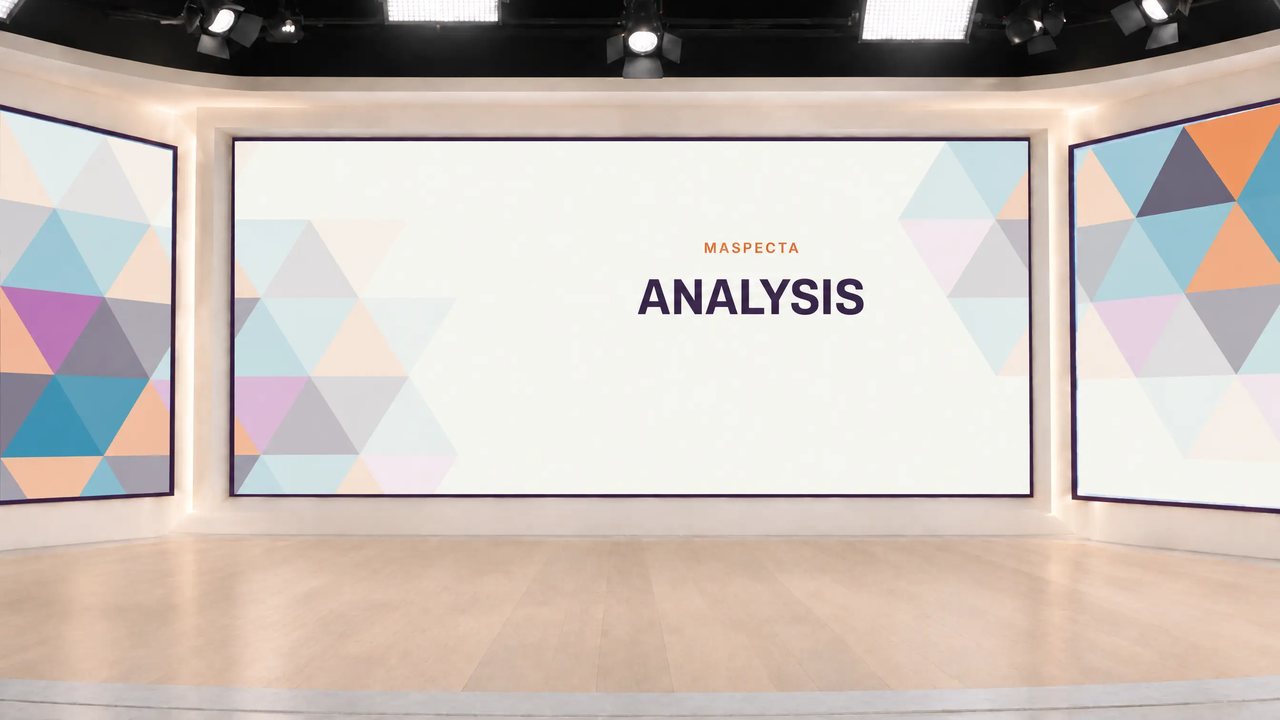
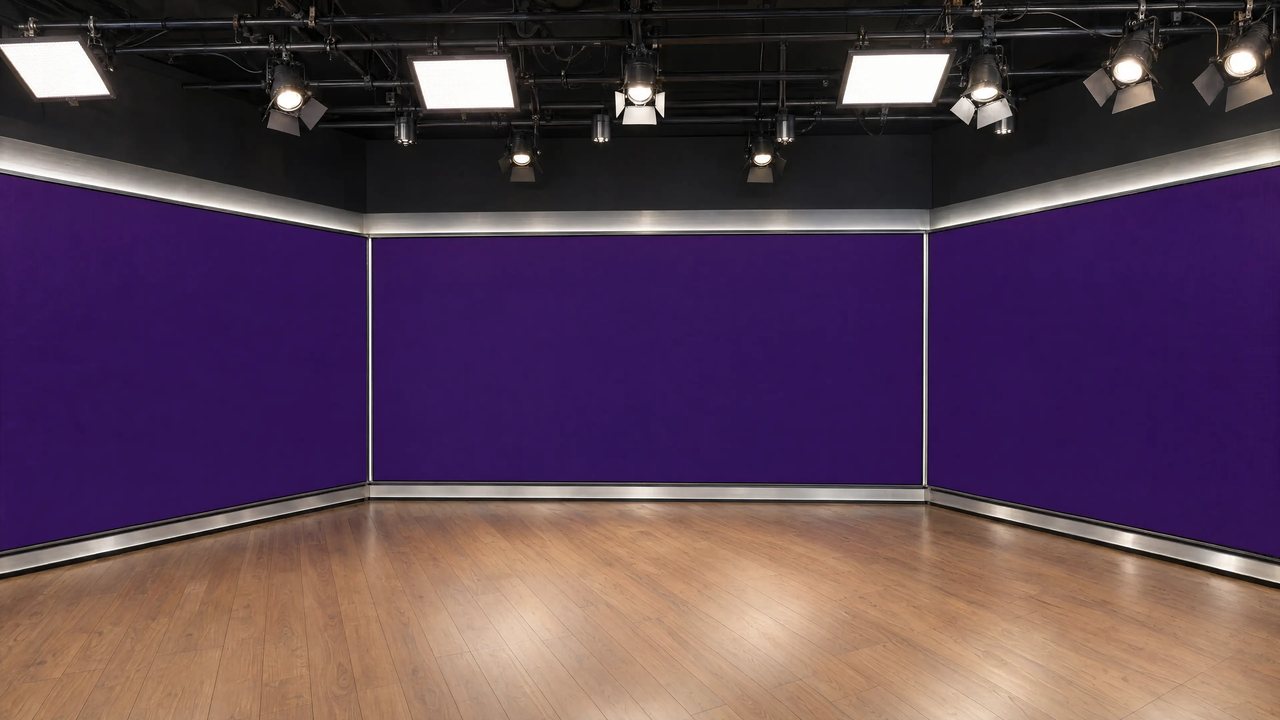
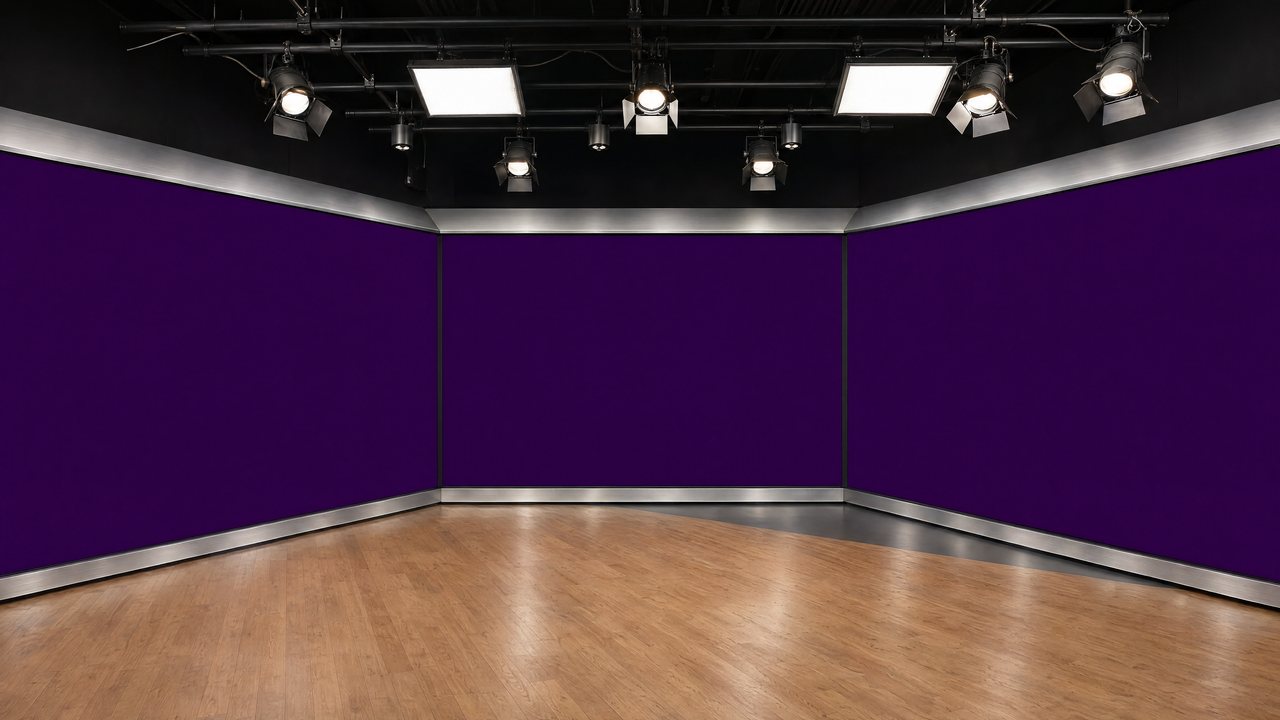
The studio is one option. The same presenter and the same chart can stand at a single screen wherever your story is set.
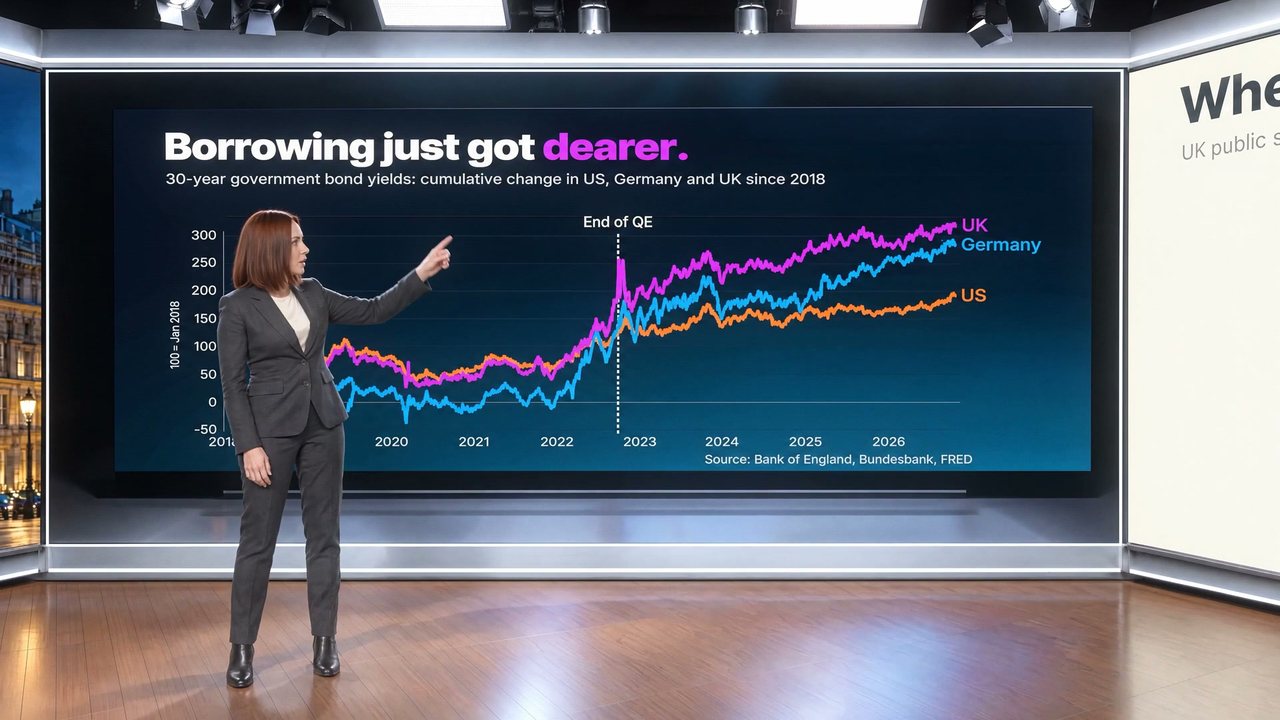
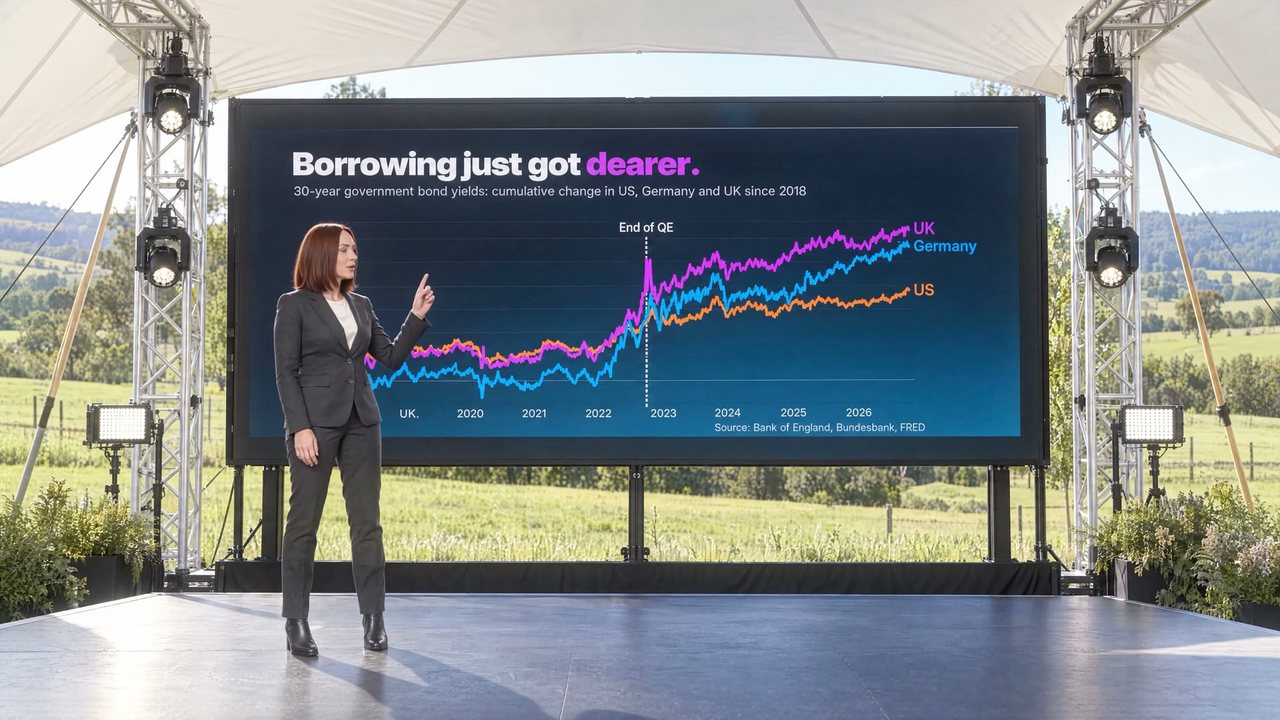
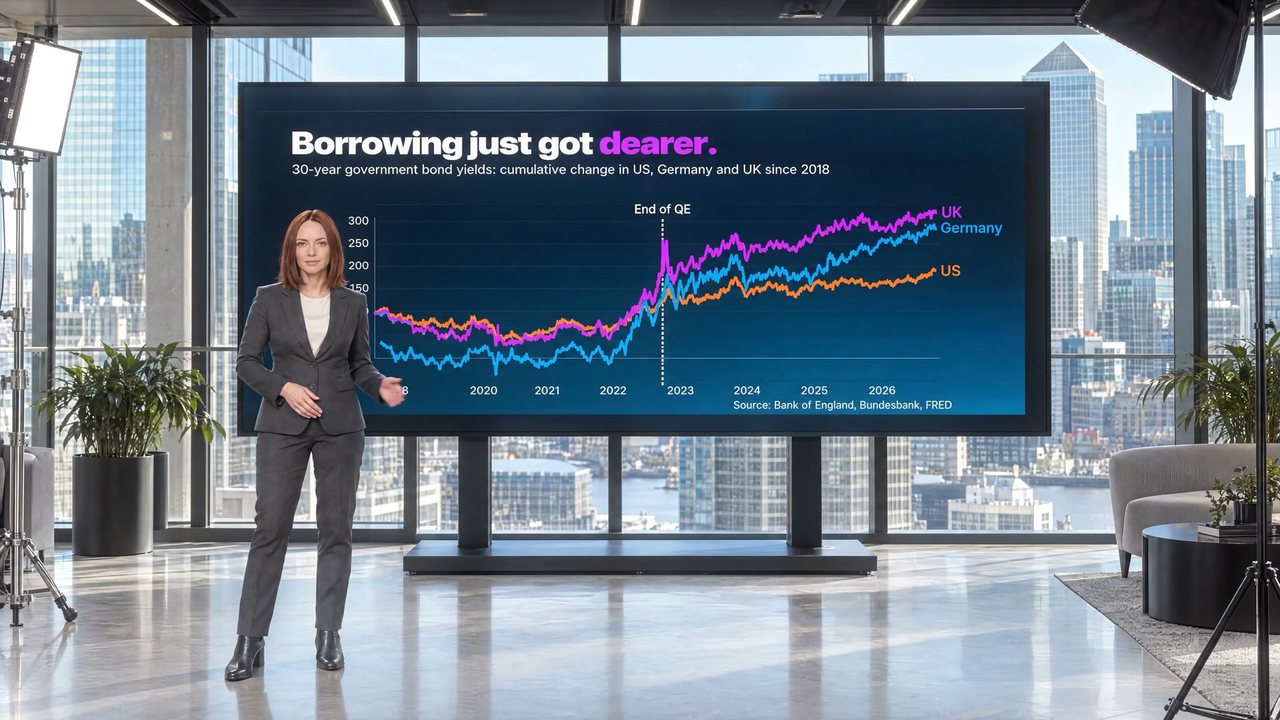
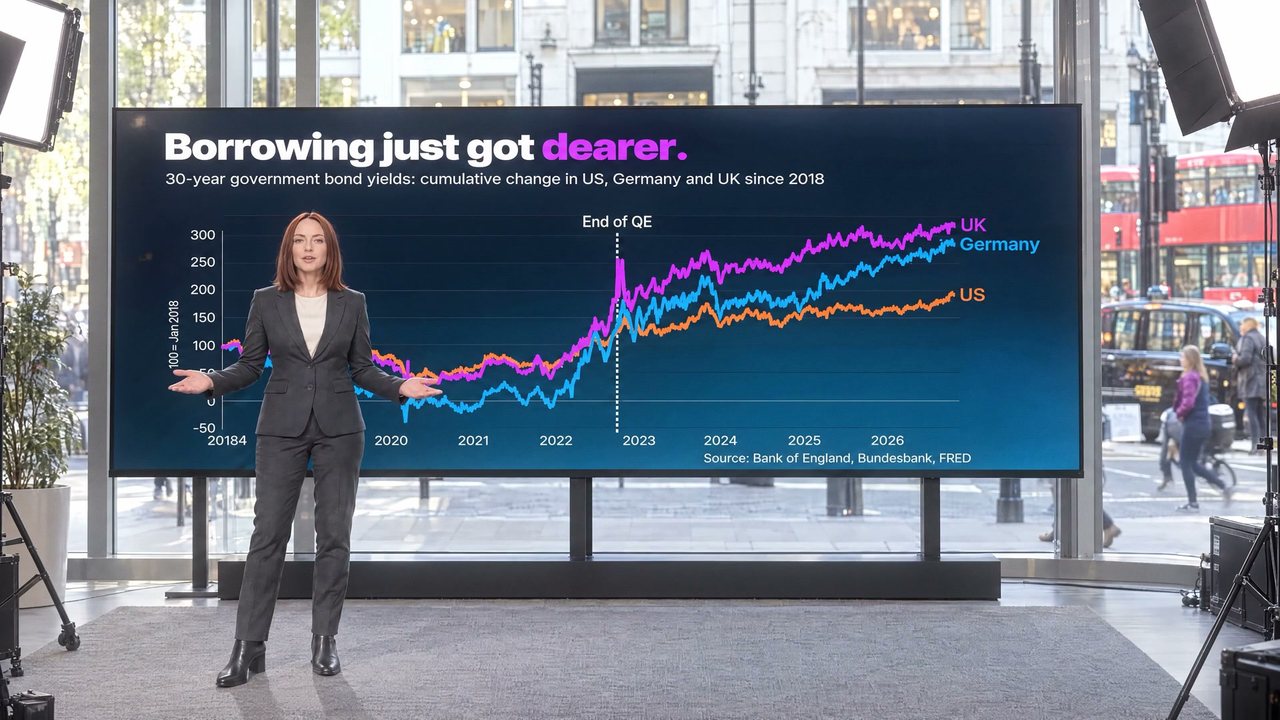
Every picture here is computer-generated, and the presenter is AI-generated.
The presenter
Pauses that land, emphasis on the numbers, and the rhythm of an analyst explaining a story rather than a voice reading a script.
These are some examples of our presenters. You are not limited to them: we can create one for you, from a brief you give us or from a real person’s likeness, such as one of your own partners.
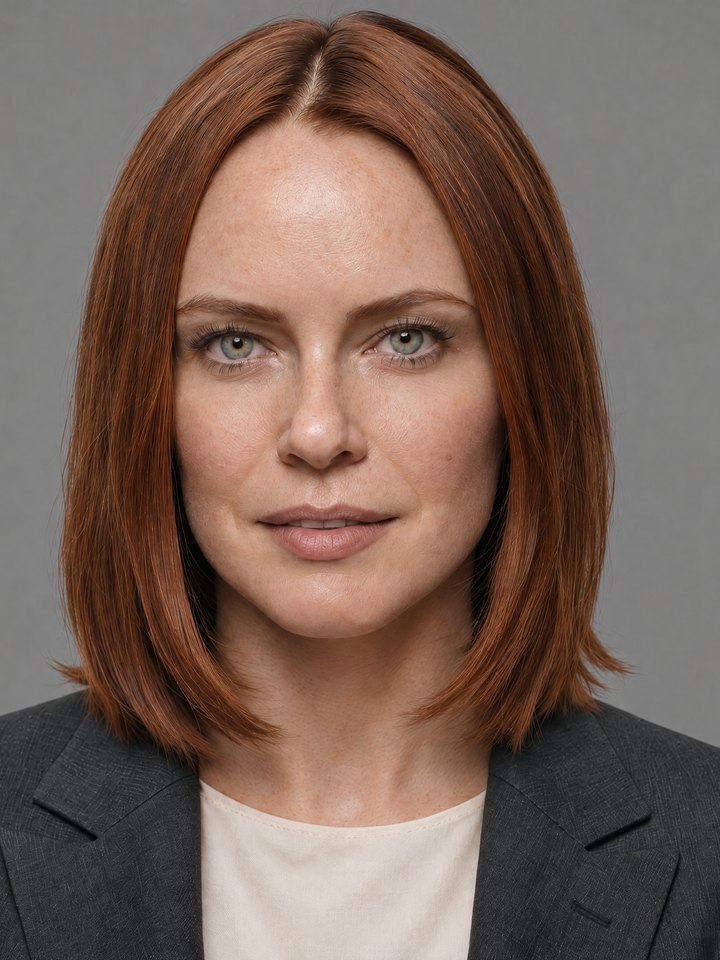
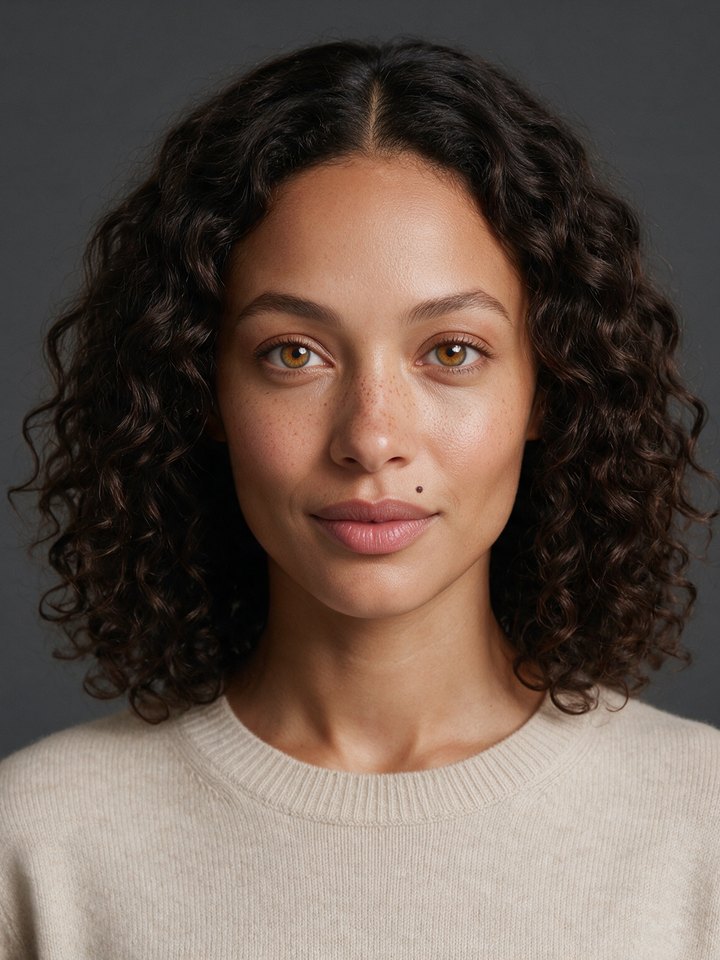
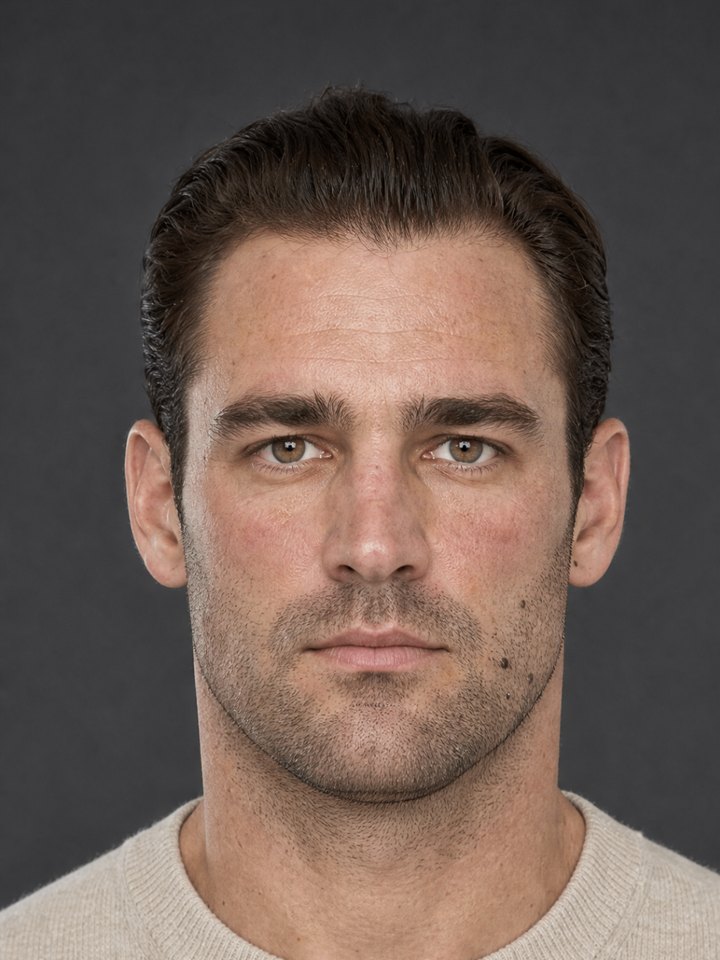
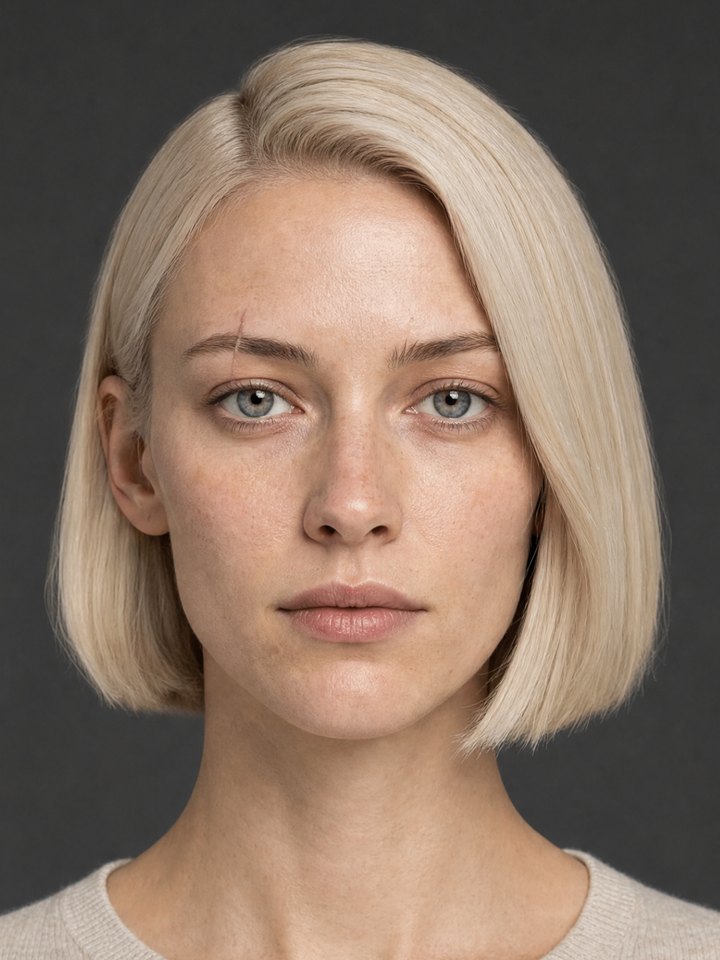
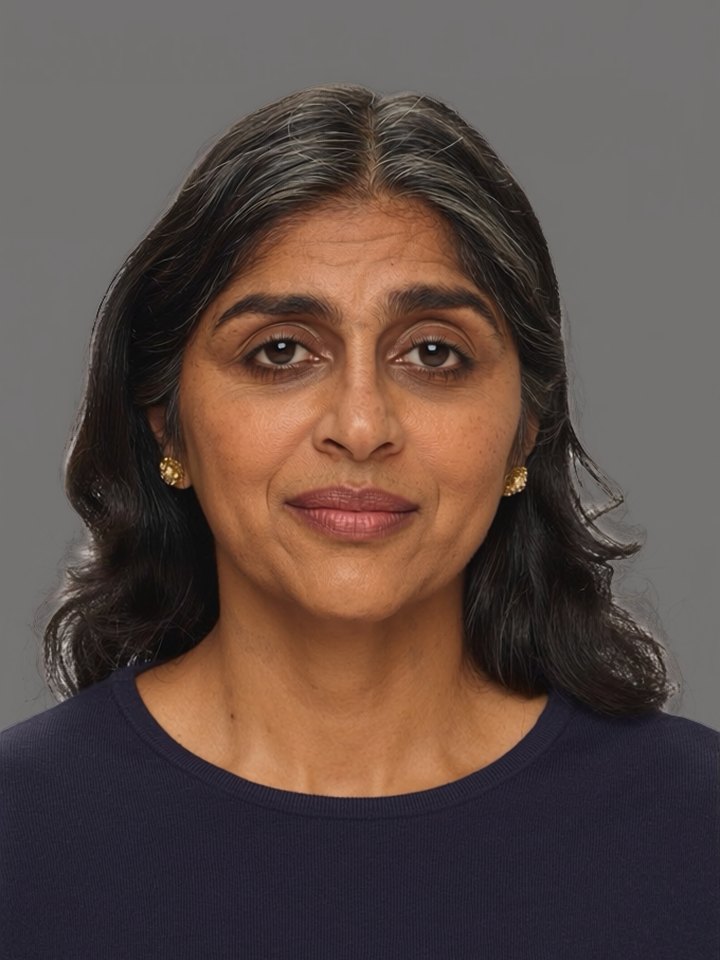
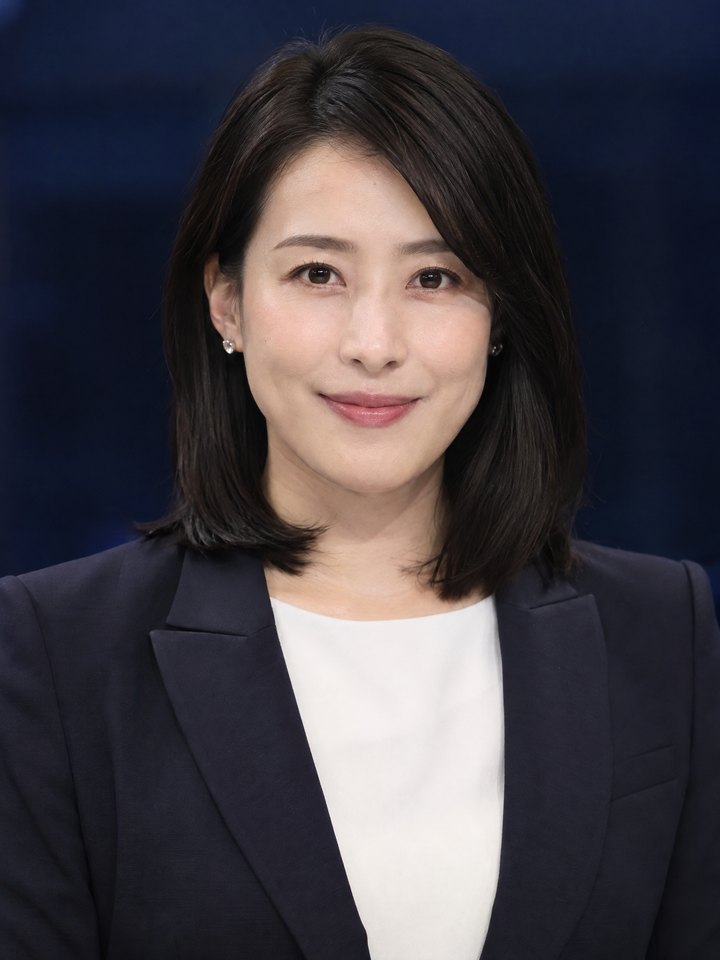


All eight are AI-generated presenters.
The narration is written for the ear: short sentences, and every figure spoken exactly as your source gives it.
The delivery is modelled on how broadcast analysts explain a story: where they pause, which words they stress, how a sentence falls. Each read is measured against that pattern and tuned, and the last call is made by ear.
The voice is a stock voice, chosen from side-by-side samples of the same passage.
The finished read is mastered to broadcast loudness, and its timing drives everything else: a chart builds on the word that names it, the cuts fall in the pauses, and the presenter points on the word. If a line changes later, only that stretch is re-voiced and what follows is re-timed to it.
The camera
One continuous take that follows the presenter: wides, push-ins and pull-backs timed to the narration.
The same move in outline: one presenter, one camera operator following her.
Before we set a rule for the camera, we studied many broadcast explainers, second by second. The ones that draw the most views seem to be the ones shot with a single camera: where a presenter explains a story alone, it does not cut away.
So we adopted the same style, and overcame the technical hurdles of making seamless footage that reads as one camera. It stays with the presenter as a person in the room would, looks where she looks, moves when she moves, and comes closer when a number matters. We think that is what makes a viewer feel spoken to rather than broadcast at.
Use cases
01
The report your team spent months on, as a three-minute deep dive your clients will actually finish.
02
A short deep dive on the issue your prospect faces, to share on LinkedIn or send before a first meeting, in the language of their market.
03
Survey results and benchmarks, walked through chart by chart as the presenter speaks, so clients remember the numbers that matter.
04
Show the problem in numbers and how your service solves it, with a presenter pointing at the difference.
Questions
No. Every presenter is generated by AI: a digital avatar that moves like the professional presenters you see on TV and YouTube. Use one of our presenters, or ask us to create one to your brief. The voice works the same way: choose one from our library, or we can build a custom voice from a recording you provide.
Yes. We can put several presenters in the studio and have them talk to each other, while the cards and animations on the screens stay in step with what they say.
Each has its place. A film crew puts a real expert on a real set, but it usually takes four to eight weeks and a shoot day with your experts, and changing anything said on camera usually means another shoot.
AI avatar tools such as Synthesia are inexpensive and quick to edit, but your team writes, designs and builds every video. The avatar stands in a flat, two-dimensional frame, usually beside your charts rather than pointing at them. It is also a format most viewers have seen many times, so it no longer stands out.
Animated PowerPoint uses the slides you already have, but no presenter walks the viewer through the numbers.
Deep Dive Studio is three-dimensional. The presenter walks through the studio from screen to screen and points at each figure while explaining it, and the camera travels with the presenter. The look of the studio, your brand, the charts and their animation, the presenter and the voice are all yours to set, so each video can be made as engaging as possible.
The report, deck, article or dashboard you want explained. A PDF, PowerPoint, web page or Tableau dashboard all work, and so does anything else that gives us material to work from. We recommend that the charts, data and analysis are already verified, and that the content has been approved for public viewing by the departments that sign it off, such as marketing.
It depends. For proposals and material meant only for your clients, you need to know that some of your data goes to third-party AI tools while we produce the video. We share the list of those tools in our meeting, and together we define what may go to them and what may not. Anything confidential, such as people's names, company names and figures, can be kept out of those tools and processed only on our own machines. We agree all of this with you in detail before any processing starts.
In theory there is no limit: a 30-minute, 60-minute or two-hour video can be made if you want one. A deep dive usually runs two to three minutes.
4K by default. 1080p and 720p are available too. We can deliver any format, landscape, vertical or square, to suit each media and social channel you use.
As many as you need. One order can be a single video or a series: we can make multiple videos a day, a week or a month. We also offer a dedicated pipeline, set up for your organisation, that works through your catalogue of articles and thought leadership and produces the videos on an agreed schedule.
Up to twenty languages, so one piece can go out in the language of each market you serve. We can share the list in a meeting or on request. Checking the spoken words and the pronunciation in each language is your responsibility.
Yes. Tell us what to change, from a single number to the language, voice, presenter or graphics, and we update the video for you.
A video is usually ready in five days. For urgent work there is an express service, usually around 24 hours. Both are counted from the point when the script is agreed. For the cost, book a short call: tell us about the article or report, and we will quote for your video.
Everything on this set (studio, presenter, voice, delivery, language and graphics) is generated from your text and can be tailored to your brand.
Maya is an AI-generated presenter. The studio is the real set, rendered from its production model.